Retail media sounds straightforward. You have an audience, physical or digital touchpoints and brands that want to reach that audience. Connect the three and you have a new source of revenue.
In practice, the choices are less obvious. What are advertisers really buying from you? Does extra inventory create extra value? What do you need to prove? And how much commercial content can your environment carry?
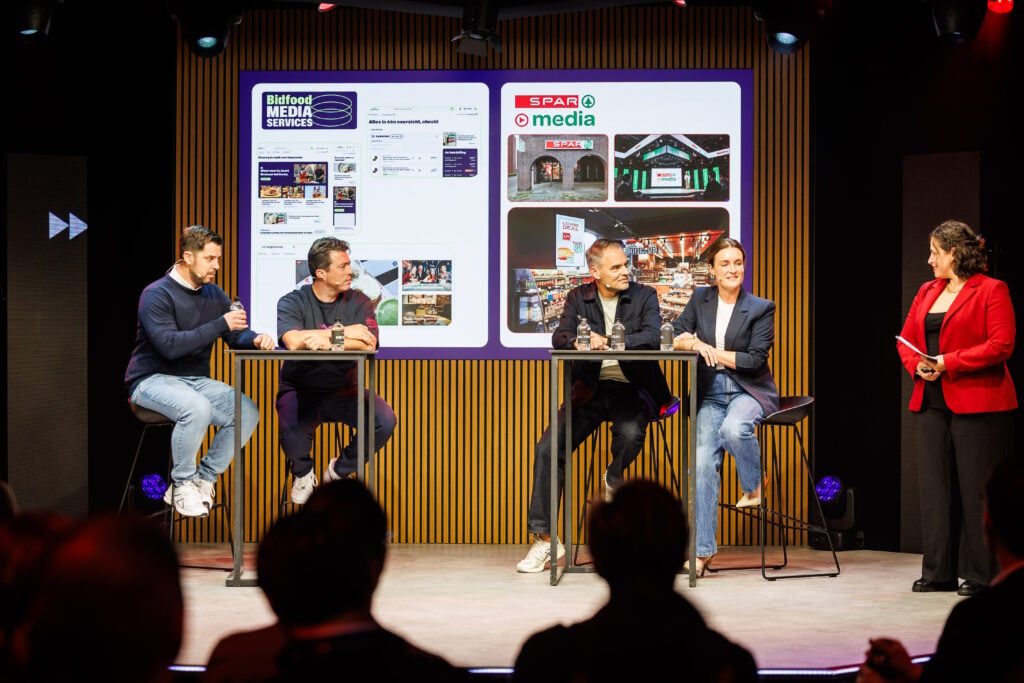
A panel discussion with Jumbo, Basic-Fit and Bidfood showed just how different retail media can look in practice. What creates media value in a supermarket isn’t necessarily what creates value in a gym or B2B environment. They require different choices. Building the right retail media network means making those choices work together, from strategy to technology.
1. What are you really offering advertisers?
A large network looks impressive, but size alone doesn’t make a strong media proposition. For some retailers, the opportunity lies in scale: large audiences across many locations and formats. For others, the value lies in reaching a smaller but highly relevant audience.
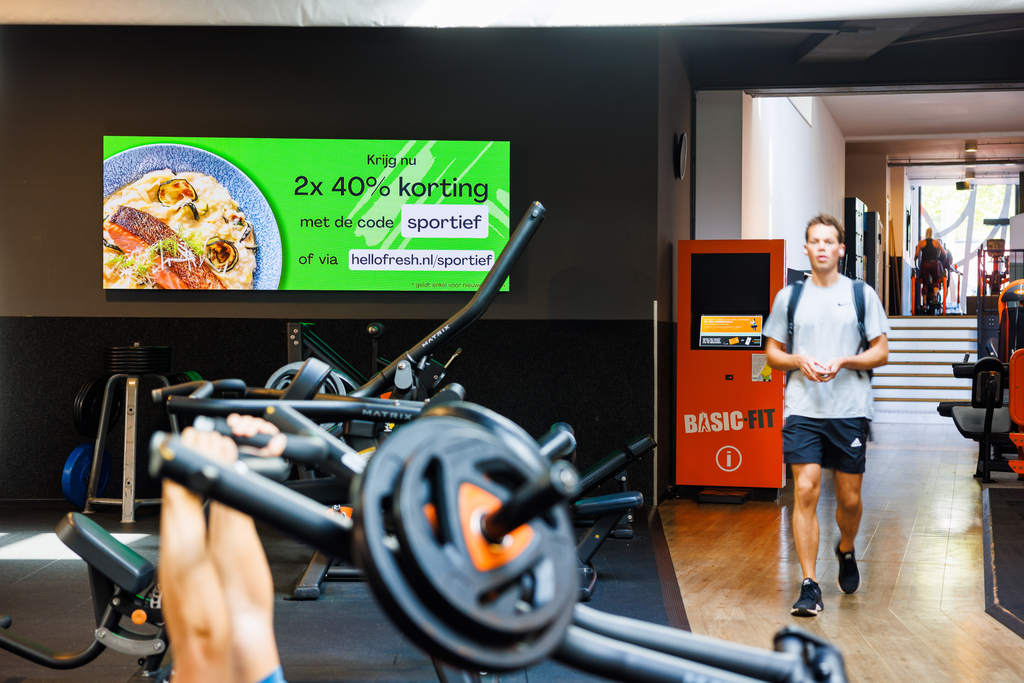
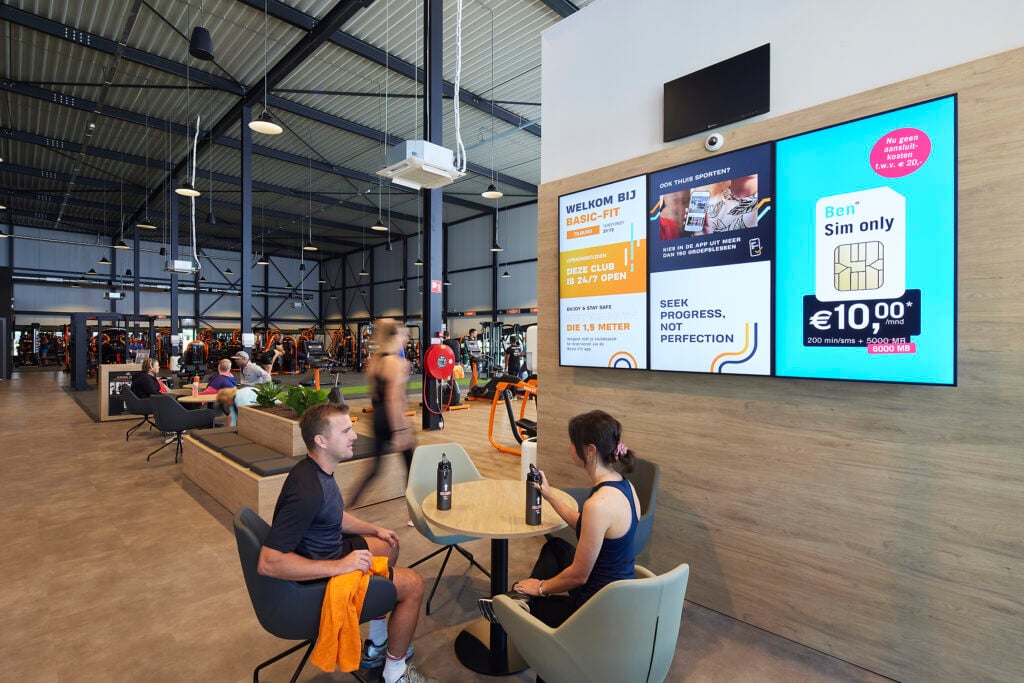
Basic-Fit found that the size of its network was only part of the story. With around 5.1 million members across Europe, scale is clearly there. But the stronger proposition comes from understanding the audience behind that number: who visits, when they visit and how long they stay. That’s what turns scale into something advertisers can actually use.
Bidfood looks at the same question from another angle. Its reach is smaller, but a single interaction can represent a hospitality professional buying at business scale.
So before you build your proposition around reach and impressions, determine what advertisers are buying from you: scale, relevance, context, or a combination of the three.
2. Where does inventory add value?
More inventory sounds like more opportunity. But only if it adds something to the network.
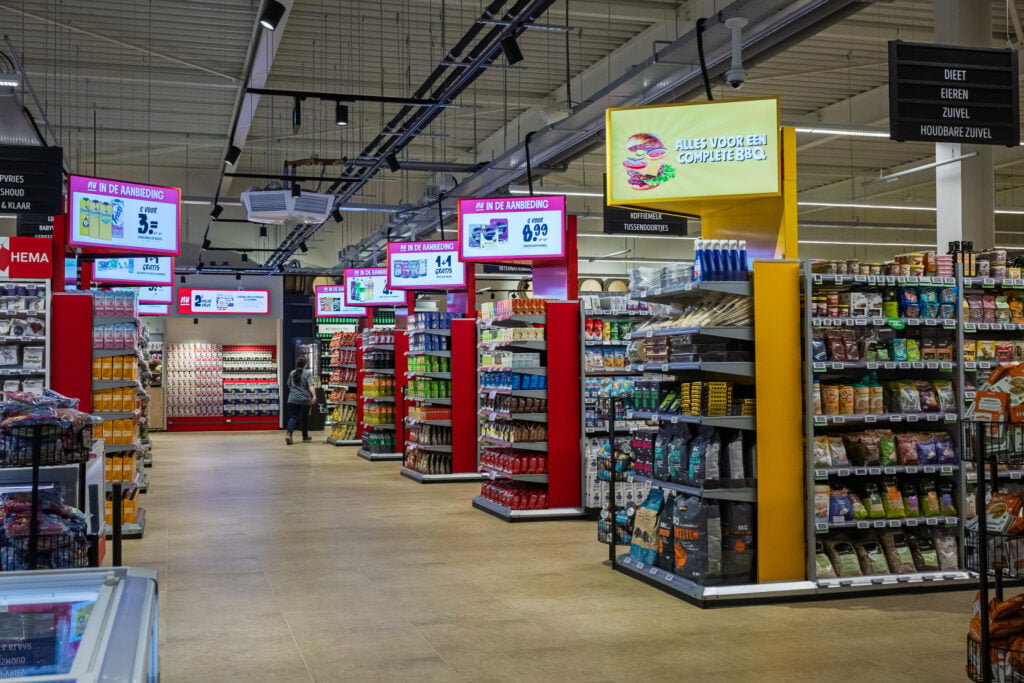
A new touchpoint can extend your reach, introduce a different moment in the customer journey or offer a format that is particularly attractive to advertisers. If it reaches the same audience, in the same context, with essentially the same proposition, its added media value is limited.
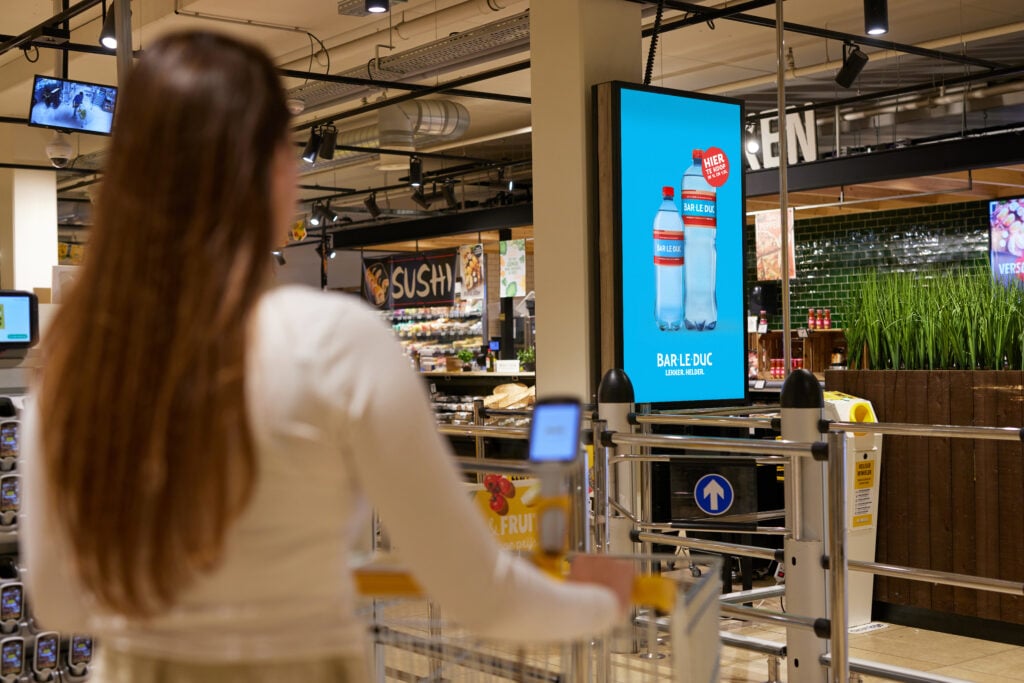
Jumbo’s experience illustrates this. Advertiser demand isn’t evenly distributed across every format or position. Large portrait formats attract more demand, which is why Jumbo is expanding those formats at entrances and in windows. The lesson isn’t simply that more inventory creates more opportunity, but that expansion works best where the inventory adds something advertisers actually want to buy.
The real question is what the next touchpoint adds that wasn’t there before. Sometimes that justifies expansion. Sometimes improving the value of existing inventory is the stronger move.
3. What do you need to prove?
Once you know what you’re selling, you need to prove that the network delivers that value. And that goes beyond campaign performance alone.
Reach and impressions can show advertisers how many people they can reach. Dwell time, visits and audience insights can demonstrate the quality of that reach. And where exposure can be linked to transactions, the conversation can move towards conversion and sales uplift.
But the network itself also has to deliver on that promise. If you’re selling reach across locations, for example, uptime and availability become part of the proof. Inventory only creates value when it’s actually available when a campaign is running.
For Jumbo, transaction data can help connect campaigns to sales. Bidfood needs a different lens, because fewer interactions can still represent considerable purchasing value.
So let the value you’re offering determine what you need to prove. The strongest metrics aren’t necessarily the ones that measure the most, but the ones that show advertisers that your network delivers what you’ve promised.
4. How can commercial content create value?
Commercial content doesn’t have to compete with the customer experience. Done well, it can add to it.
A relevant message at the right moment can inspire, inform or help someone make a decision, while creating commercial value for the advertiser and retailer at the same time. That means the opportunity isn’t simply about how much advertising an environment can carry, but how useful and relevant that content can be within the experience.
Basic-Fit is a good example. Its digital network isn’t there solely to show advertising. Content also motivates members and supports their workout. Commercial content becomes another part of that mix, and needs to earn its place by fitting the audience, moment and environment.
Creative quality plays a role too. Limited attention rewards simplicity: one clear message that fits the moment will often do more than a spot trying to communicate everything at once.
The strongest outcome is therefore not a compromise between customer experience and commercial value. It’s content that works for both.
Your retail media model
Put those four decisions together and different retail media models start to emerge.
None of these models is better than the others. The right retail media network is the one where audience, inventory, proof and experience support the same proposition.
That’s where we come in. We help retailers navigate these decisions and translate them into the right technology and infrastructure, designed to deliver value and perform at scale.