The focus is shifting towards continuous renewal, with more frequent, smaller changes and greater flexibility to adapt quickly. That shift makes sense.
Budgets are under pressure, while expectations continue to rise. Efficiency and adaptability are becoming the leading design principles.
That creates a clear gap.
Campaigns evolve weekly and trends can shift daily, while physical stores still move at the pace of renovations.
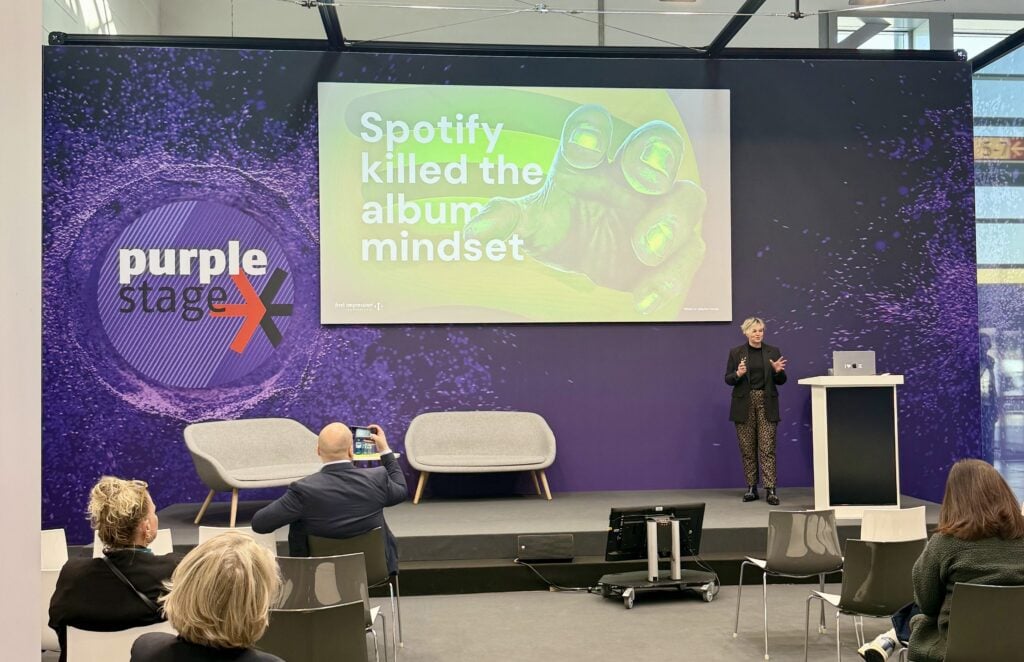
This is exactly where Daan Berends, Chief Creative Officer at First Impression, focused on during her masterclass at EuroShop.
Store interiors, as dynamic as our taste in music
To explain this gap, Daan drew a comparison with something we all recognise: music.
Where we once listened to full albums from start to finish, we now decide what to play and when. We skip, mix and switch effortlessly between styles and moods. We’ve moved from albums to playlists, with a playlist for every moment.
Spotify hasn’t just changed how we consume music. It has taught us to curate moments. That same mindset is now reflected in consumer behaviour. People expect variation. Change. Relevance.
Which raises a simple question: if a playlist can shift your mood in seconds, why should a store take months?
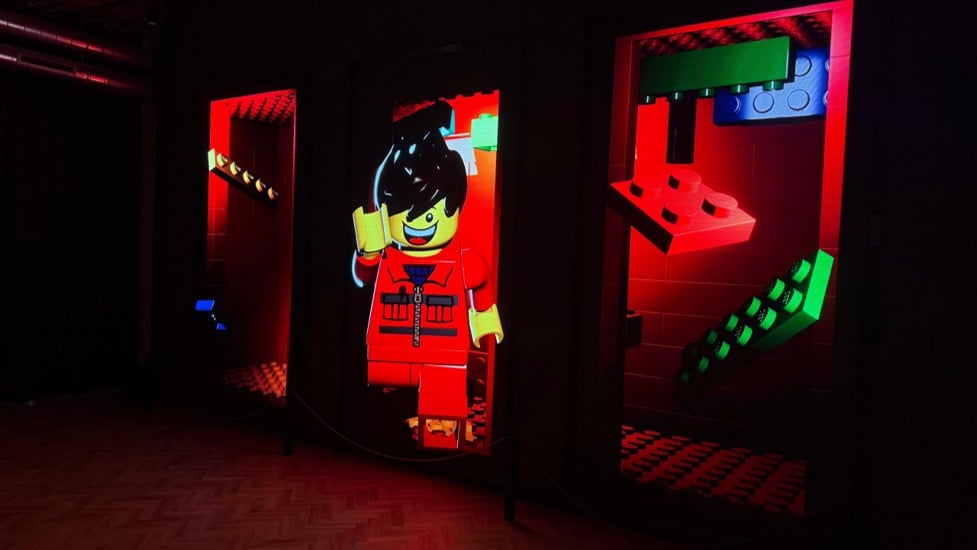
From fixed spaces to adaptable stores
Traditionally, stores have been designed as fixed environments. Materials, colours and layouts define the atmosphere, often for extended periods of time.
At the same time, the need to adapt stores more frequently continues to grow. To reflect a new campaign, a different audience, or simply the moment of the day.
Retailers want to move faster, introduce more variation, and make their stores more relevant to whoever walks in.
That’s where it becomes difficult.
Every physical change requires time and budget, and disrupts daily store operations. In many cases, adjustments need to happen outside opening hours, adding complexity and cost. That doesn’t match the pace of retail today.
Dynamic architecture as the answer
To enable this shift, Daan introduces the concept of dynamic architecture, where flexibility is the starting point and retailers evolve from architects of space to curators of emotion.
Digital technology takes on a different role in this approach. Not a screen on a wall, but a wall built entirely from LED panels, forming one seamless display. Image, colour and motion extend across the full surface, transforming the space as a whole.
This changes what’s possible.
Atmosphere, colour and visual context can be adjusted without physical intervention. Sometimes bold and expressive, sometimes subtle and supportive. Think of moving textures, shifting light, or environments that evolve with the rhythm of the day.
The space remains the same, while the experience continuously adapts.
From campaign to context
This shifts how we think about campaigns and store experience. Where a store once told a single story, it can now support multiple layers that evolve and reinforce each other.
A campaign may lead at one moment, while at another, atmosphere or product takes centre stage. What matters shifts with the moment.
This is visible across different applications.
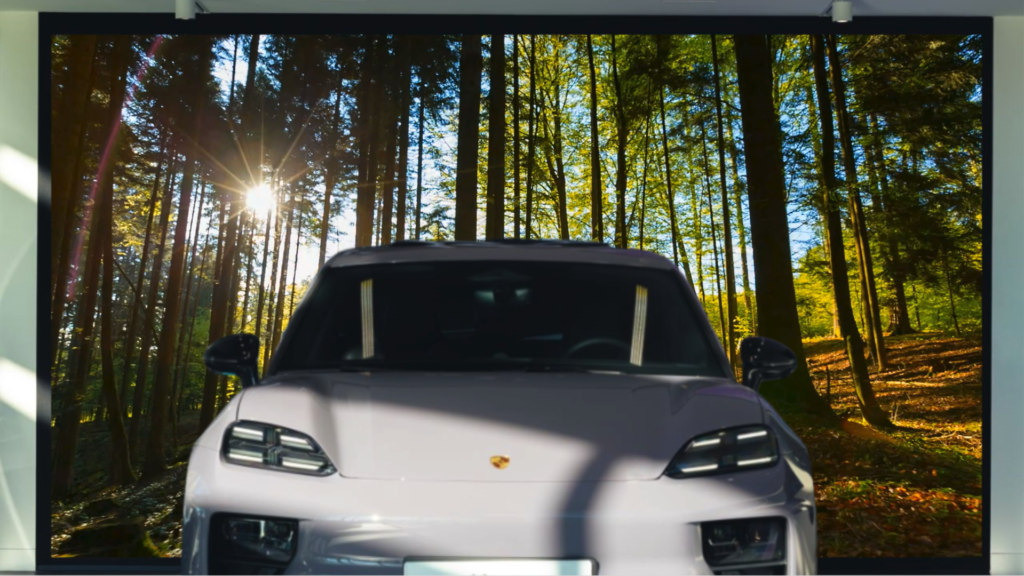
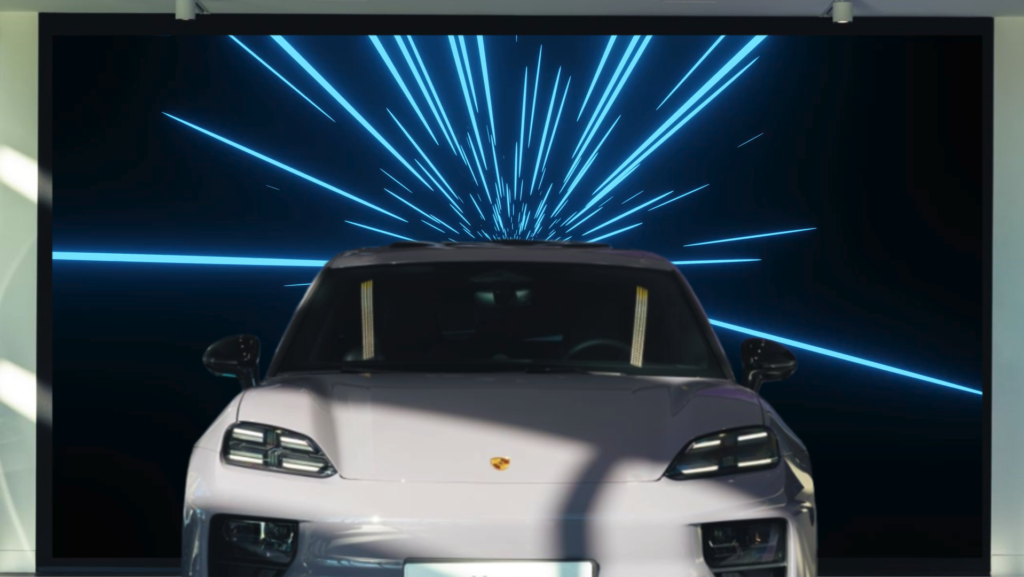
At Porsche, the atmosphere of the space shifts through changes in visual context, from calm and understated to energetic and dynamic.
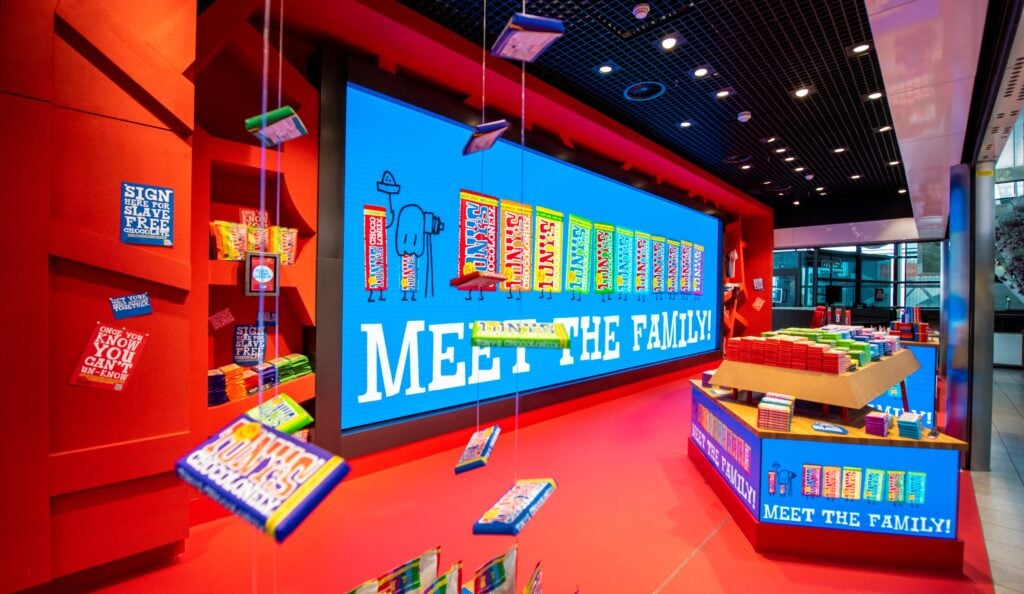
At the Tony’s Chocolonely store at Schiphol Airport, the concept responds to an environment where emotions constantly shift, from stress to excitement.
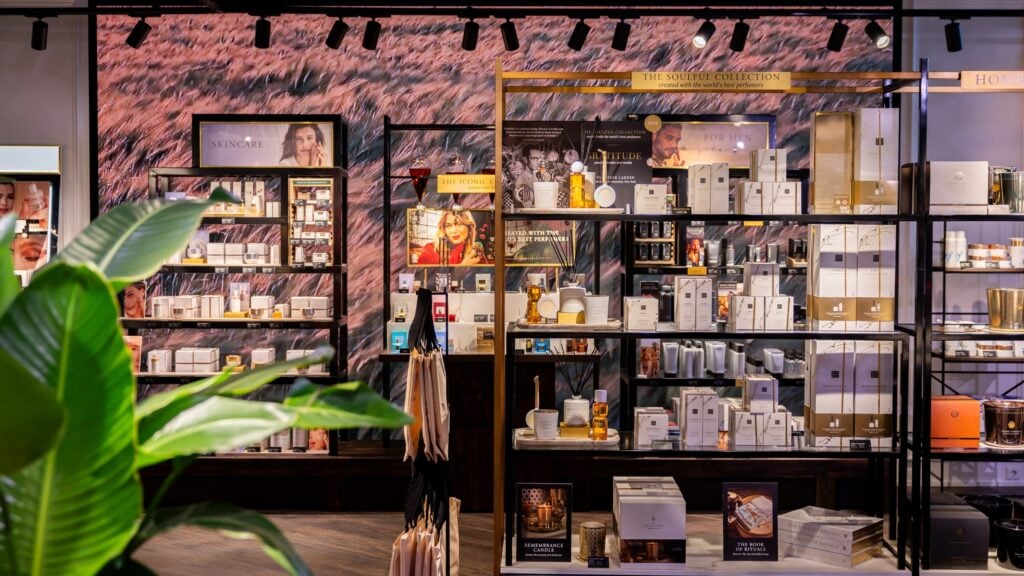
At Rituals, technology is used to create a subtle, almost tangible atmosphere that supports the product without overpowering it.
In all these cases, the focus is not on technology itself, but on control over the experience.
Thinking in adaptability
This shift is not about fully digital stores, but about adaptability as a core principle.
The key question becomes: how do you create a store that can respond to what’s needed tomorrow, without rebuilding it every time?
That can be achieved with large digital surfaces, but also through a smart combination of lighting, sound, smaller displays and content.
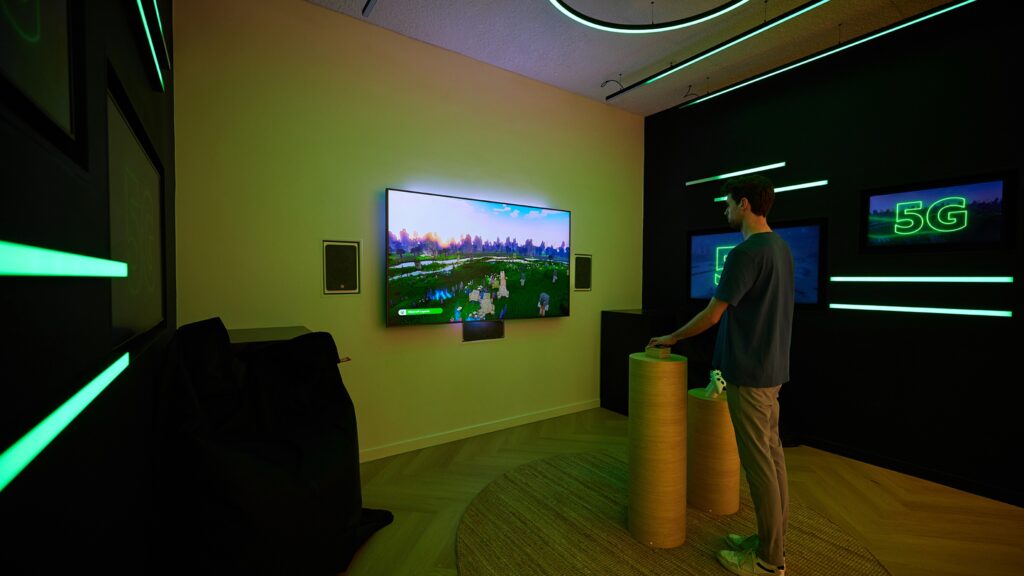
The Dutch KPN concept presented during the session shows how a space can shift in atmosphere and function with a single action, without being fully digital.
The scale differs per concept, but the principle remains the same. Designing with change as an integral part of the environment.
The store as a playlist
Retail has always been about storytelling. What’s changing is the pace at which those stories evolve.
In what Daan calls the playlist era, the store becomes a system that can shift between different experiences, aligned with the moment. Atmospheres evolve, accents change, and context adapts without rebuilding the space.
This requires a different approach to design, and an even bigger shift in mindset. The focus moves from how a store looks at launch to how it behaves over time.
The retailers leading the way are not building stores for today.
They are building stores that move with tomorrow.
See full masterclass here.