



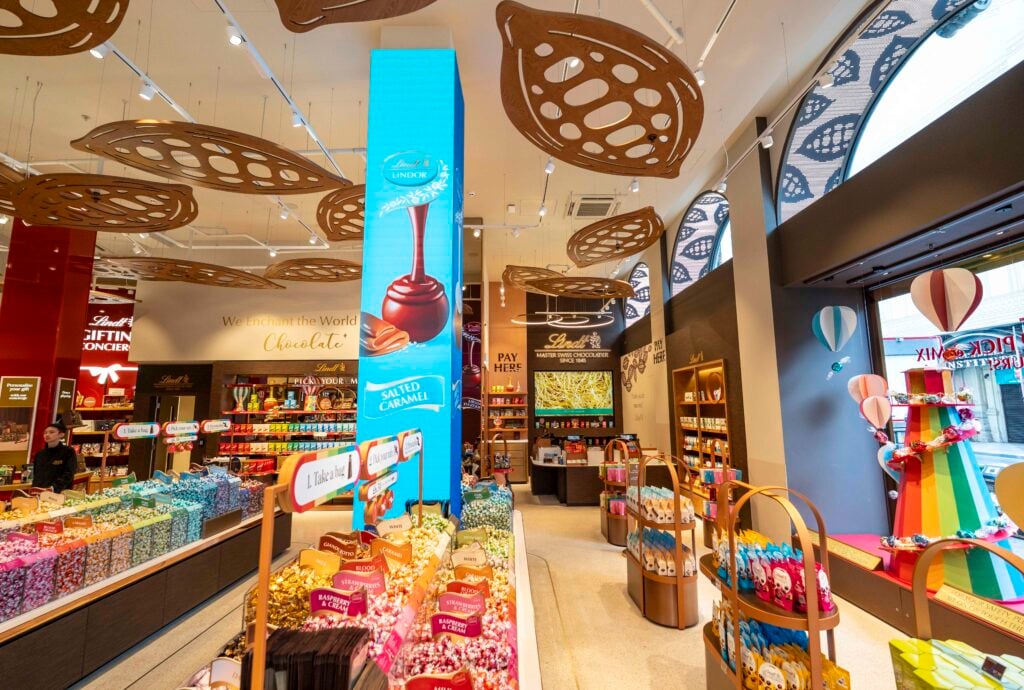
In 2026, digital signage is no longer a standalone tool in retail, but a strategic part of how brands manifest themselves physically. The world keeps getting smaller, but customer expectations keep growing. Especially when it comes to brand experience. Customers recognize brands globally and expect that same recognition in their local high street.
To me, this shift is no coincidence. Brands are operating on a more international scale and are looking for consistency across all touchpoints, without losing their local relevance. That calls for a different perspective on digital signage. Not as a collection of screens by country or location, but as one cohesive network that can be deployed, managed and optimised on a global scale.
From ownership to experience
The societal shift is clear. Buying is making way for experiencing. The act of buying often happens online, but when visiting a physical store, the customer expects more than just purchasing a product. Sharing an experience, spending time with intention. Free time has become scarce and valuable, and that’s exactly why people are drawn to places that matter.
That trend is visible worldwide. Especially in modern cities across Asia, retail has been centred around experience-first concepts for years. In these settings, the store isn’t the end point. It’s the beginning of the brand story. In Europe, that shift is becoming more visible as well. Retail, hospitality, leisure and office are blending. A store becomes a meeting place. A gym becomes a lifestyle brand.
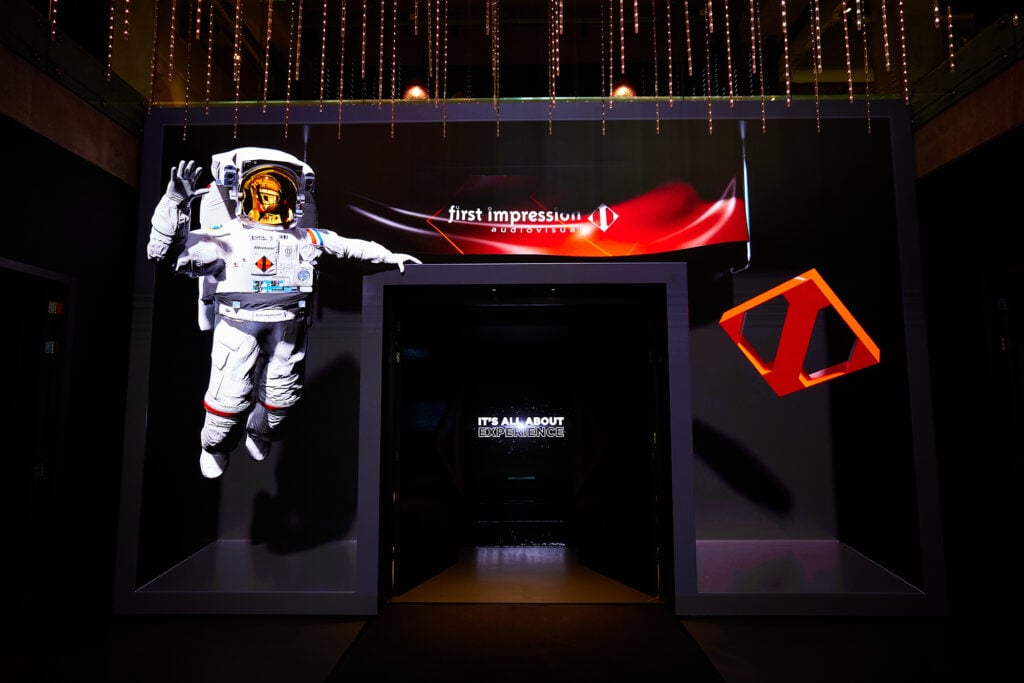
The store as brand experience
In this new landscape, the physical store takes on a different role. It’s no longer just a place for transactions, but an environment where brands can position themselves in a credible and tangible way. That’s exactly why physical retail remains relevant, even as online sales continue to grow. In fact, strong physical presence often reinforces online performance in the same region. Just look at many of today’s trend-driven brands. They start online, through TikTok or Instagram, and then make their way to physical retail stores.
Digital signage plays an increasingly important role in this shift. Not by simply displaying information, but by creating context and triggering interaction. Immersive LED solutions draw attention before someone even steps inside. Content adapts to the moment, the season, the surroundings. Image and sound work together, adding energy instead of silence. The experience starts outside and flows seamlessly inside.
Personalization beyond online
Online personalization is standard. In-store, it’s maturing. But in-store, customers don’t want a copy of their online experience. It’s the difference that makes it valuable. Think of content that responds to local stock, weather conditions, time of day or the type of audience present in that moment.
AI makes this scalable and affordable by automating processes and triggering content in smarter ways. The surprise doesn’t lie in the technology itself, but in the relevance it delivers. At the right time, in the right place. That’s where experience sticks. That’s where digital signage proves its real value.
Impact only happens when experience comes first
Creativity in a smart workflow
For content teams, like the in-house creative studio at First Impression, this is a positive development. AI and automation deliver speed and consistency while creating more space for creativity and local nuance. One brand story, globally recognisable, with enough flexibility to connect with each market’s culture and context.
Technology with real impact
On a technical level, the focus is shifting. LED solutions are becoming the standard, replacing traditional displays more and more. Retail media keeps growing and is reaching maturity, with the Netherlands as one of the frontrunners in adoption and application.
What I still don’t see enough attention for, but should, is audio. The connection between visuals and sound determines atmosphere and energy. And the investment required for audio is relatively small.
What’s becoming less relevant are solutions that try to replace the physical experience with a digital copy. VR or fully virtual store concepts often miss exactly what makes physical retail powerful. Experiencing something together. Being surprised. Becoming part of a space that feels alive.
Looking ahead to 2026
The development continues, but with more depth. Digital signage becomes smarter, more predictive, more personal. Sectors keep blending, and every physical location becomes an opportunity to tell a brand story that goes beyond the product.
At First Impression, our focus remains on building solutions that scale globally but always feel locally relevant. Data-driven where needed. Design-first where possible. Because whether it’s one location or a thousand, impact only happens when experience comes first.